Tate Liang
Home
ContactContact ⏷
Email -> tate_liang@gsd.harvard.edu ☆ Instagram -> @tateliang ☆ Github -> TateLiang
Portfolio & CV available on request
Portfolio & CV available on request
AboutAbout ⏷
Architecture ⚡︎ Bookmaking ⚡︎ Film ⚡︎ Photos ⚡︎ Paint ⚡︎ Python ⚡︎ Java ⚡︎ Swift ⚡︎ HTML ⚡︎ Blender
2027 M.Arch II -> Harvard GSD
2025 B.Arch -> The Cooper Union
4.2% Cambridge
16.6% New York
29.2% Vancouver
50.0% Beijing
2027 M.Arch II -> Harvard GSD
2025 B.Arch -> The Cooper Union
4.2% Cambridge
16.6% New York
29.2% Vancouver
50.0% Beijing
Living Fast
Design IV
Fall 2023
Seto Inland Sea, Japan
Professor James Lowder
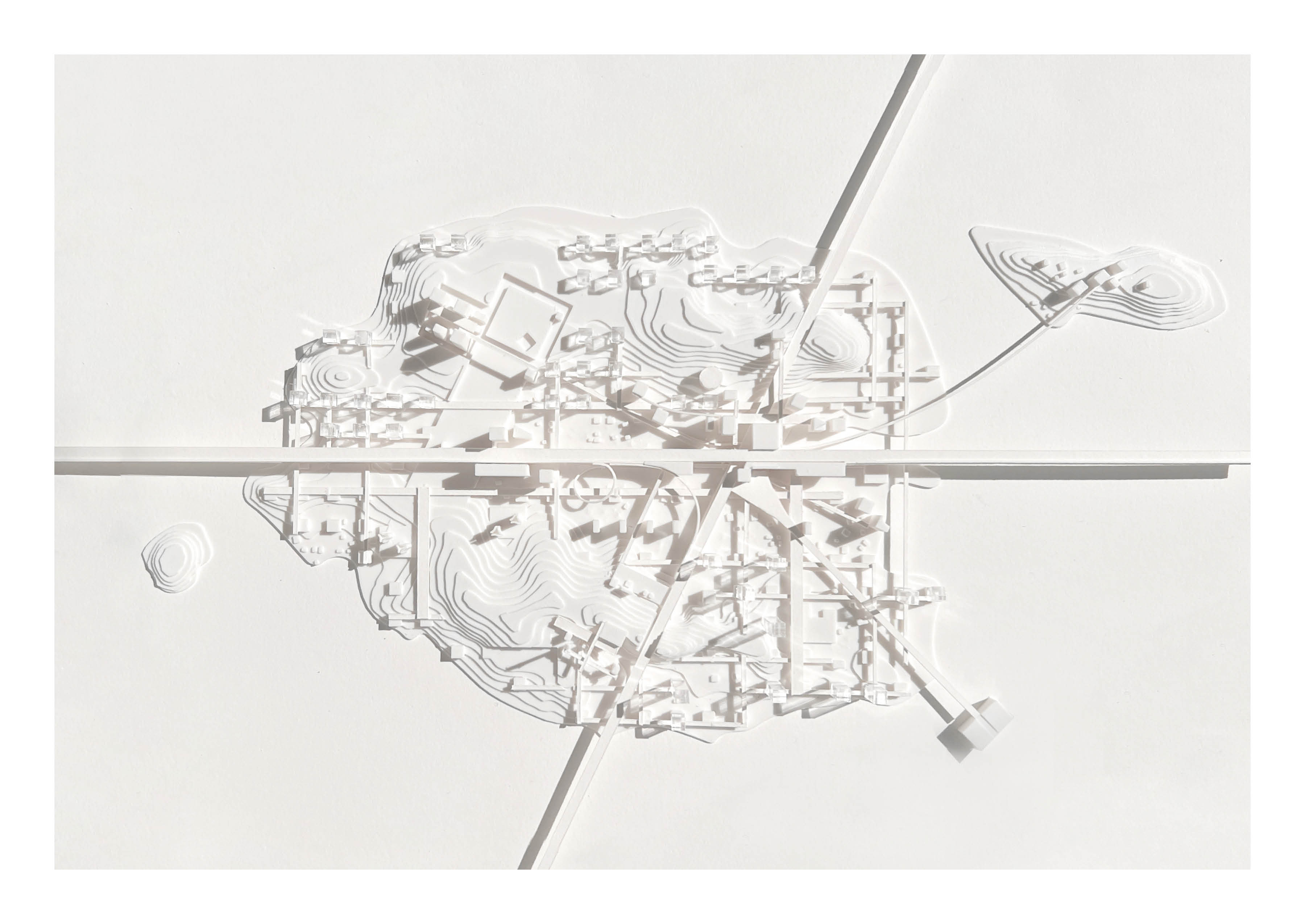
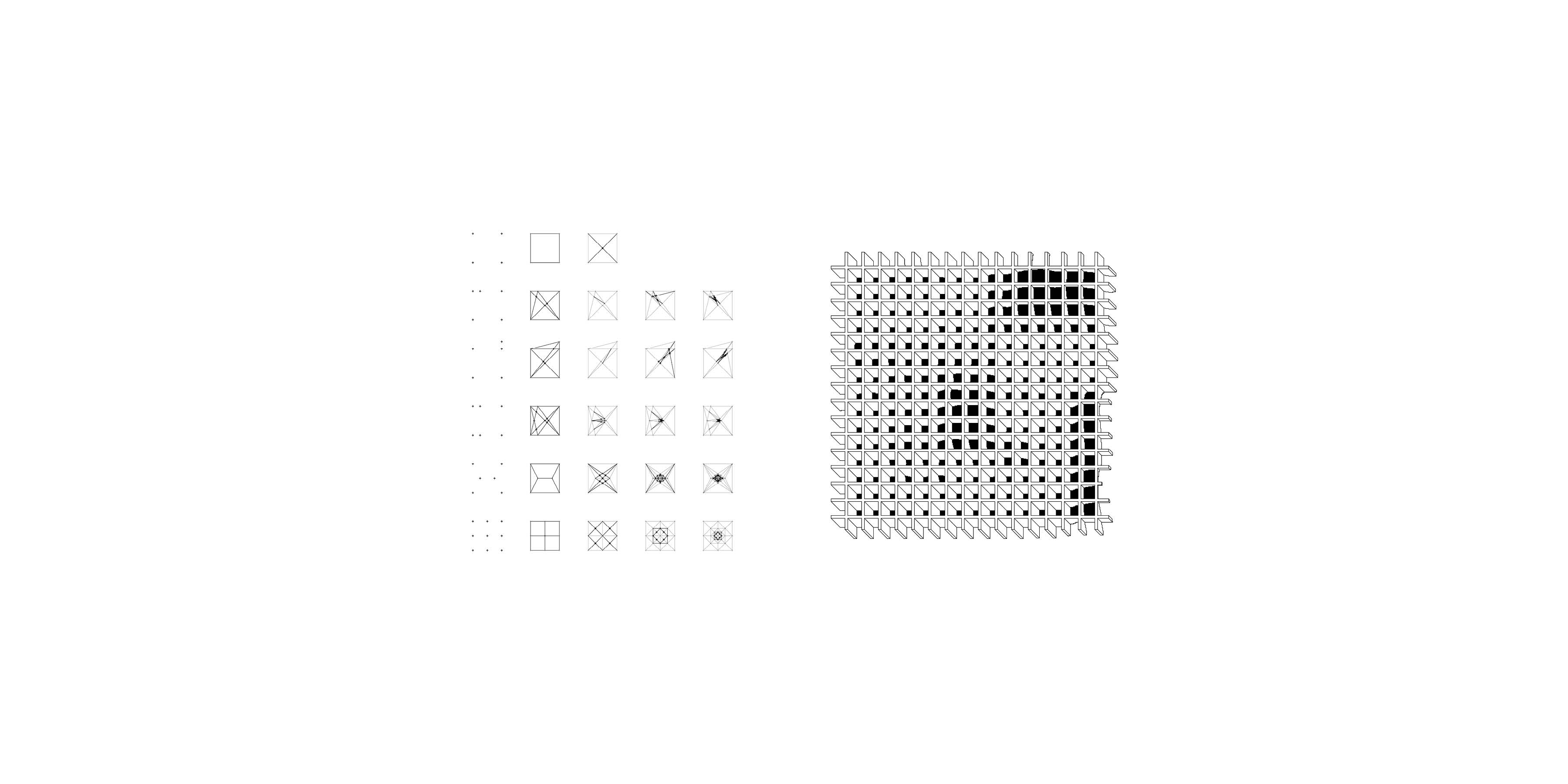
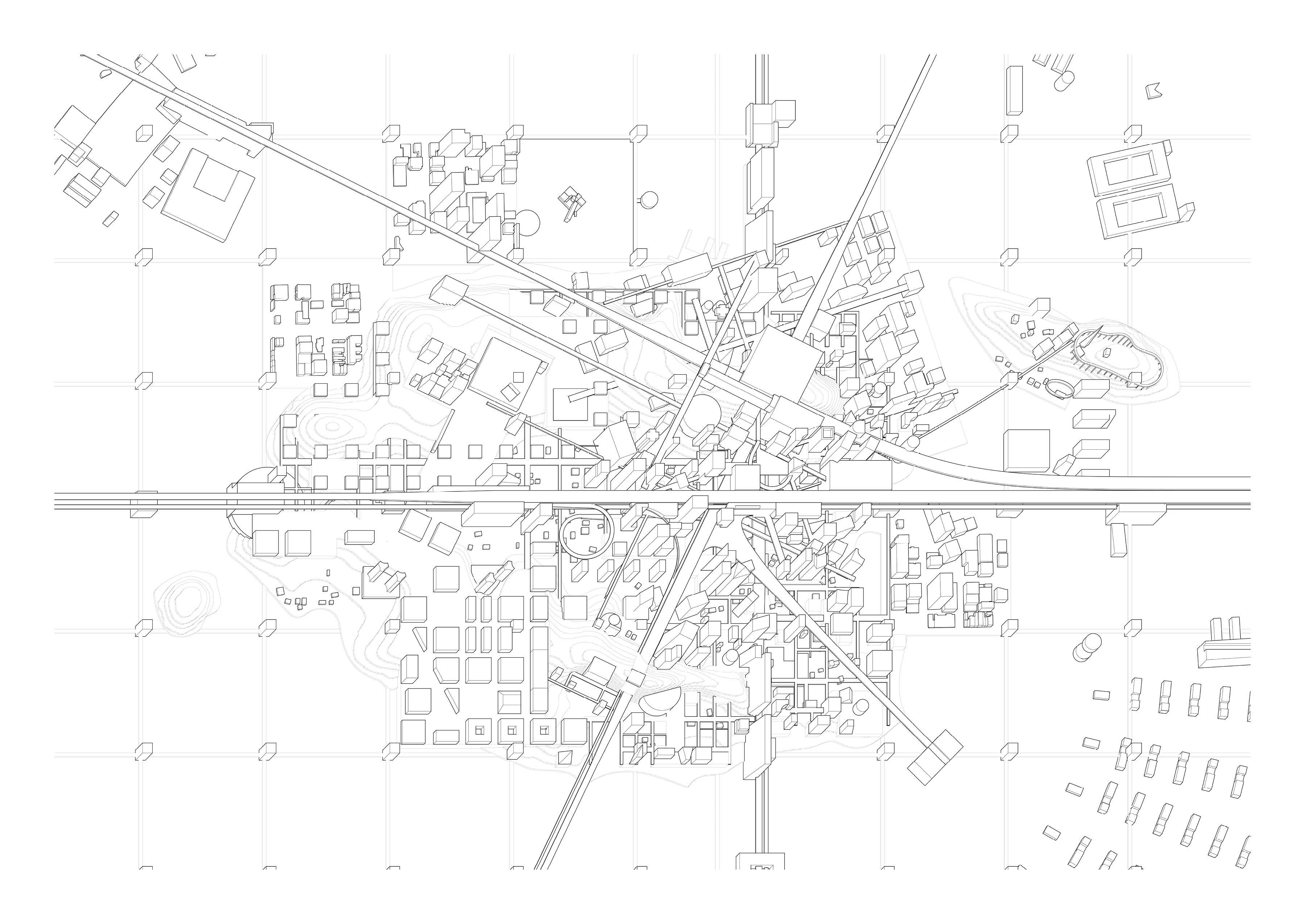
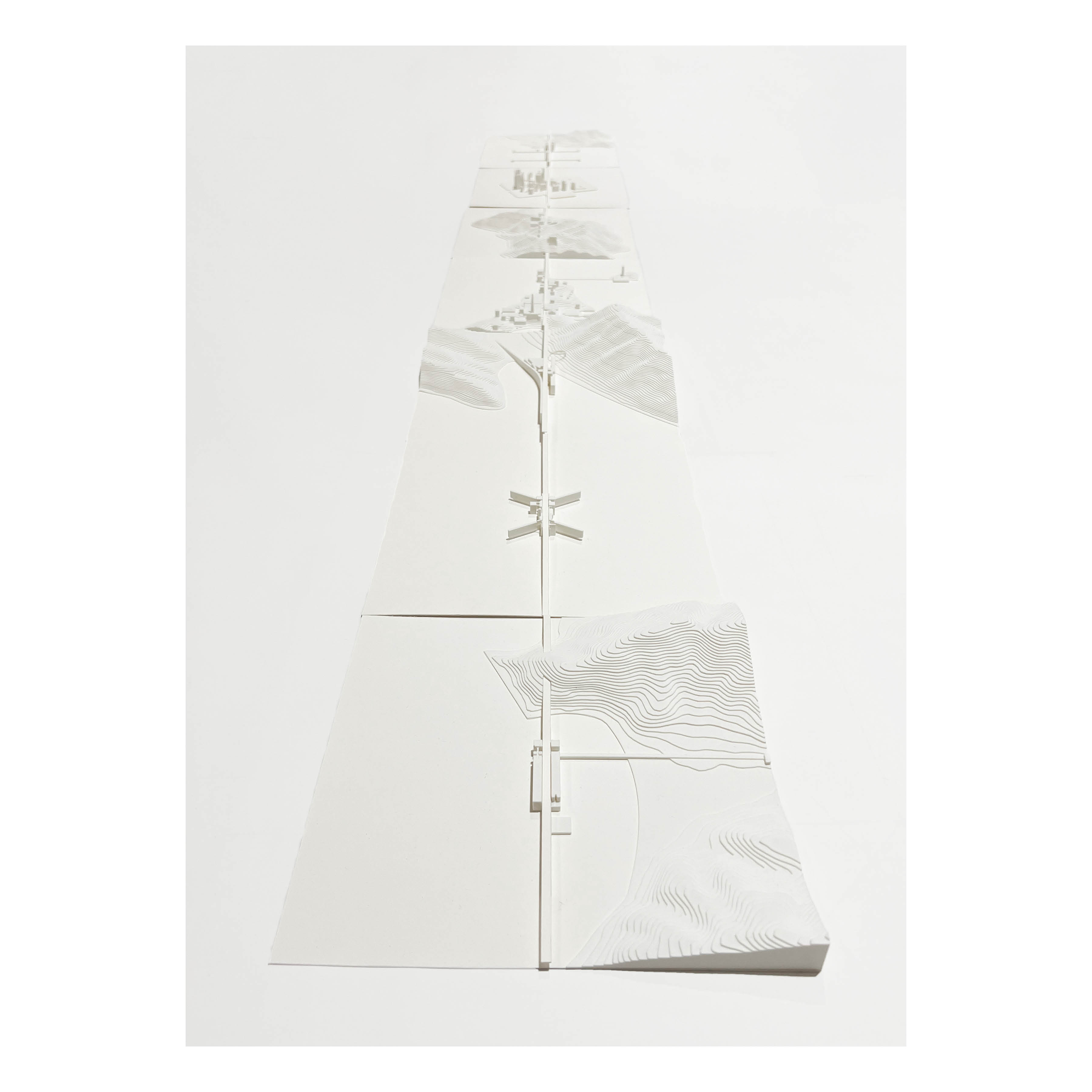
When the world becomes increasingly fast, in transportation, in communication, in production and in consumption, and neoliberalism divides the city into components while privatized initiatives commodify its buildings, we must consider a world where we can no longer think of architecture as a slow act. And we must also consider how to define an entirely new urbanism—the urbanism of speed. As the impeccable marketing for the post-industrial phenomenon of personal mobility produces increasing isolation, we might be faced with an ideology, where once more, we just need to go faster. This speculative project believes the urban failures of continuous movement can be redressed by enhancing them; shrinking the half-hour commute to two minutes produces a city entirely unrecognizable in character, population and distribution even against current megalopolises. In this city, speed collages instantaneous snapshots into decentralized but personal experiences. The perpetual urban dilemma of density will become irrelevant when the space between cities collapses under virtually instant connections. The city will be a global and singular mosaic of situations. When our traditional measures of space and distance are disrupted beyond repair, this version of the city will constitute a formal divorce between structure and image. This disruption will render navigation from a top-down map obsolete, and with it, the conventions of ground, locale and publicness lose their urban expression.
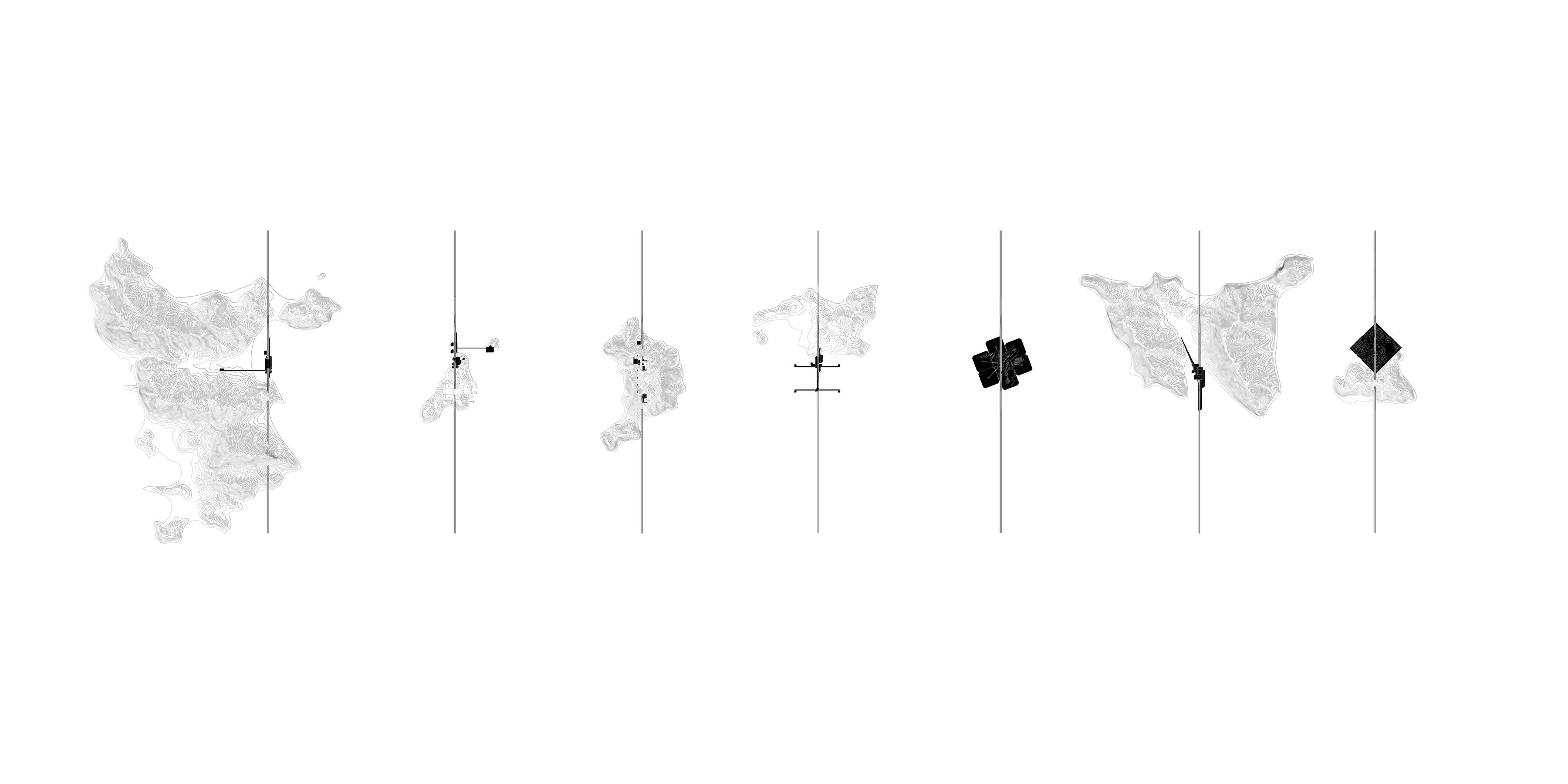
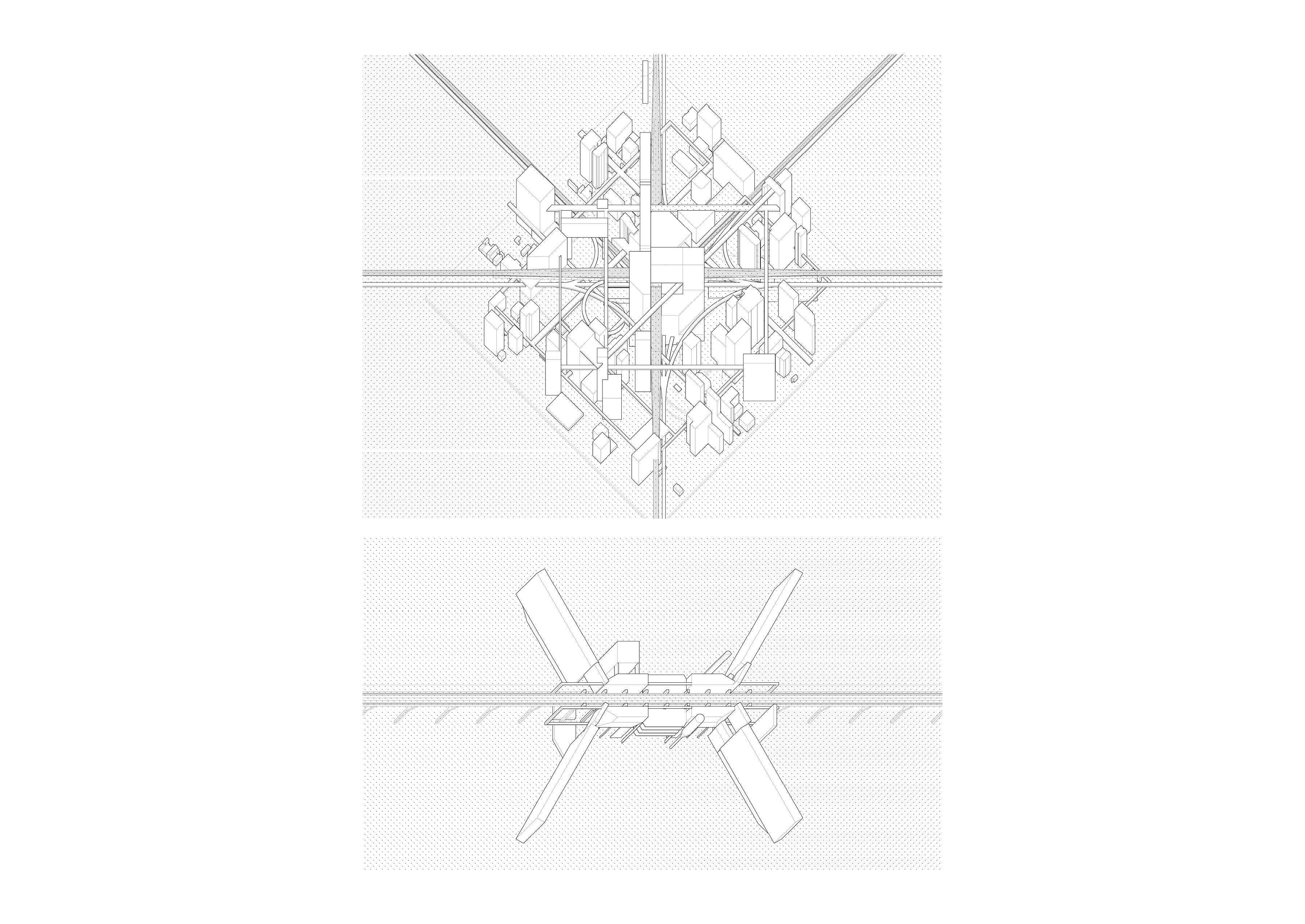
This project is possible with current frontier high-speed rail systems—when they become the primary method for transportation, they will replace a tiered separation of travel with only two irreconcilable speeds: by train and by foot. This difference will produce a dichotomous society, one on the network and one outside. When all goods, labour and exchanges are connected and distributed from one source, the network will become the new medium of opportunity as well as oppression. Real estate will be in a constant competition with every other lot on the network. The network will be a Potemkin society revealing only its most attractive facades of urban life. Two kinds of nodes will emerge: discrete locations of interest with unique conditions, resources and utility, and entirely artificial points that develop simply as hubs between other nodes. These intersectional cities will be the new way that cities grow: inward rather than outward.
By means of instantaneous connection, each city will be part of a larger whole, and the occupation of the city, once heterogeneous, might now become specialized. As the station emerges as the only moment consequential enough for intervention, the effects of any act become exponentially multiplied at these singularities. Perhaps here in respite, architecture can introduce an artificial slowness, a short walk from platform to platform, or some local identity revealing the authenticity of travel.
Fall 2023
Seto Inland Sea, Japan
Professor James Lowder
When the world becomes increasingly fast, in transportation, in communication, in production and in consumption, and neoliberalism divides the city into components while privatized initiatives commodify its buildings, we must consider a world where we can no longer think of architecture as a slow act. And we must also consider how to define an entirely new urbanism—the urbanism of speed. As the impeccable marketing for the post-industrial phenomenon of personal mobility produces increasing isolation, we might be faced with an ideology, where once more, we just need to go faster. This speculative project believes the urban failures of continuous movement can be redressed by enhancing them; shrinking the half-hour commute to two minutes produces a city entirely unrecognizable in character, population and distribution even against current megalopolises. In this city, speed collages instantaneous snapshots into decentralized but personal experiences. The perpetual urban dilemma of density will become irrelevant when the space between cities collapses under virtually instant connections. The city will be a global and singular mosaic of situations. When our traditional measures of space and distance are disrupted beyond repair, this version of the city will constitute a formal divorce between structure and image. This disruption will render navigation from a top-down map obsolete, and with it, the conventions of ground, locale and publicness lose their urban expression.
This project is possible with current frontier high-speed rail systems—when they become the primary method for transportation, they will replace a tiered separation of travel with only two irreconcilable speeds: by train and by foot. This difference will produce a dichotomous society, one on the network and one outside. When all goods, labour and exchanges are connected and distributed from one source, the network will become the new medium of opportunity as well as oppression. Real estate will be in a constant competition with every other lot on the network. The network will be a Potemkin society revealing only its most attractive facades of urban life. Two kinds of nodes will emerge: discrete locations of interest with unique conditions, resources and utility, and entirely artificial points that develop simply as hubs between other nodes. These intersectional cities will be the new way that cities grow: inward rather than outward.
By means of instantaneous connection, each city will be part of a larger whole, and the occupation of the city, once heterogeneous, might now become specialized. As the station emerges as the only moment consequential enough for intervention, the effects of any act become exponentially multiplied at these singularities. Perhaps here in respite, architecture can introduce an artificial slowness, a short walk from platform to platform, or some local identity revealing the authenticity of travel.